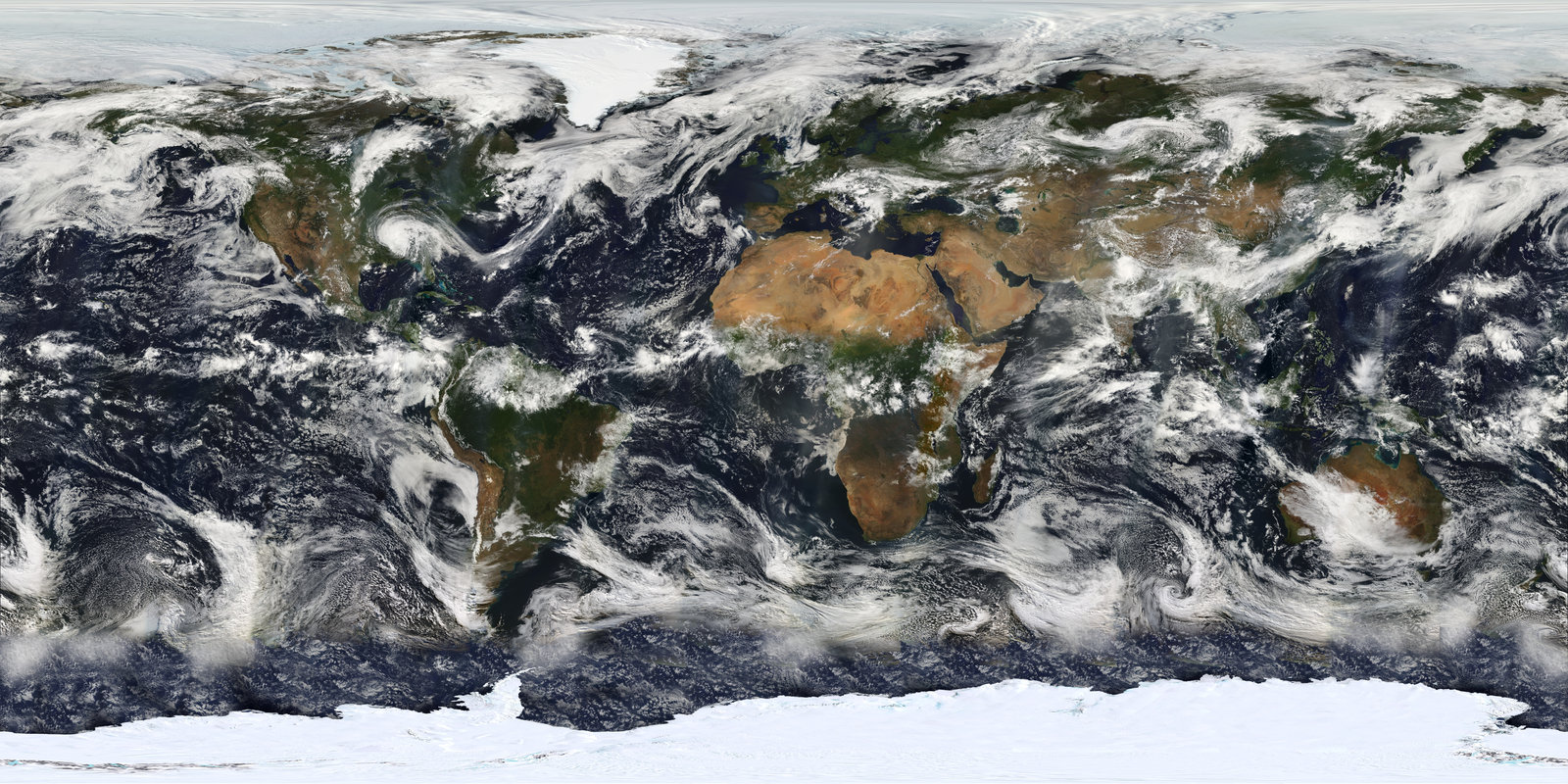
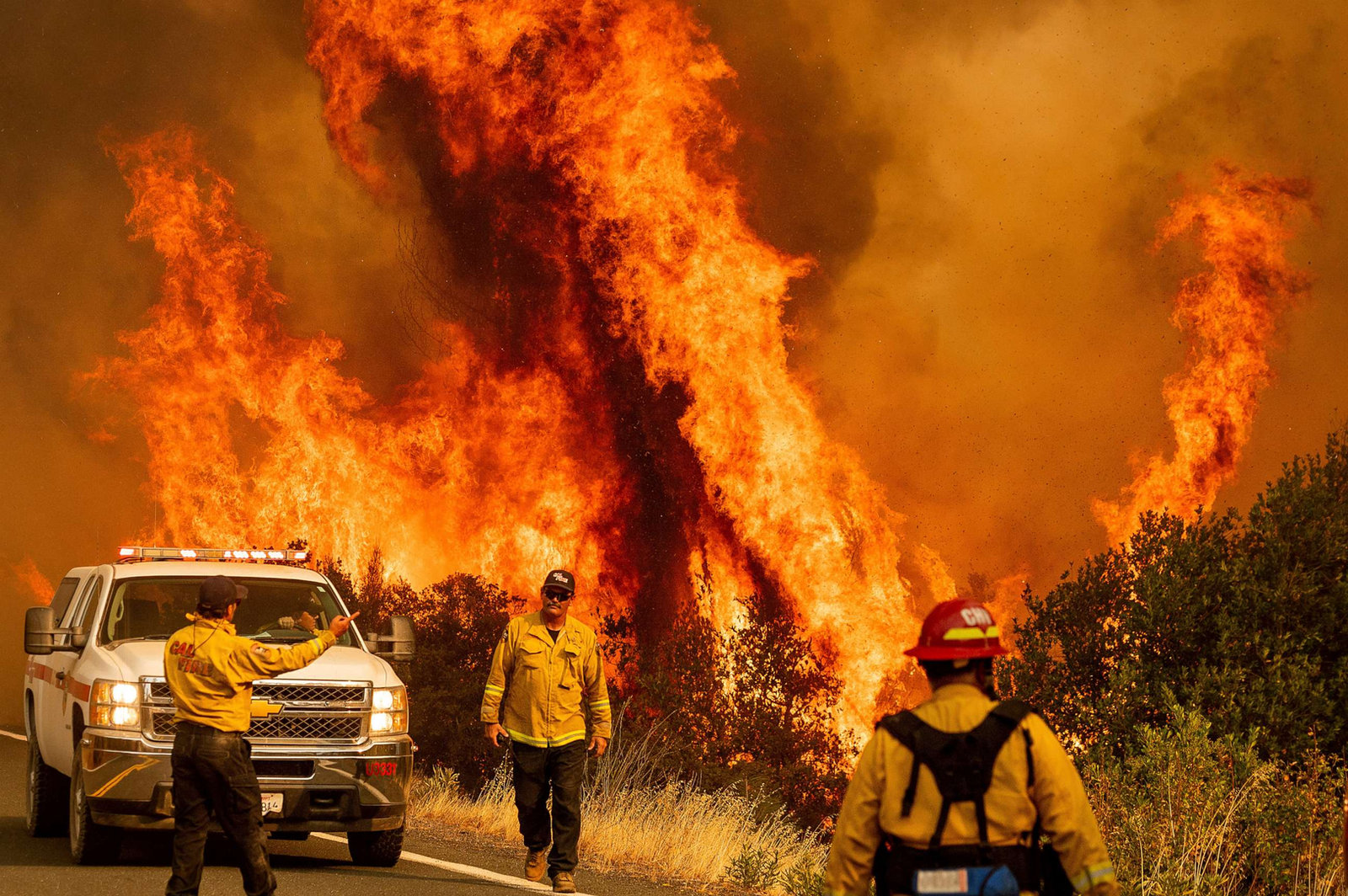
Our research centers around three interconnected themes: (1) Applying satellite remote sensing and machine learning to understand extreme weather, air pollution, and natural disasters; (2) Developing environmental exposure models in partnership with communities to accurately capture spatiotemporal variations and related health impacts; and (3) Collaborating closely with clinical institutions and community stakeholders to support evidence-based decision-making, strengthen resilience, and enhance public health outcomes. Our work has been published in reputable peer-reviewed journals and has successfully attracted external funding.
Click the image
In conclusion, our aim is to deepen our understanding of the impacts of air pollution, extreme weather events, and natural disasters on vulnerable populations, unmonitored communities, and low- and middle-income countries. Our projects are inherently interdisciplinary, relying on collaborations with atmospheric scientists, epidemiologists, biostatisticians, clinicians, and community leaders. We hope that our work will contribute new knowledge regarding the adverse effects of environmental exposures, thereby supporting informed decision-making and improving public health outcomes.
Background of the group leader
Dr. Hang earned her BS in Atmospheric Science (AS) from Nanjing University of Information Science and Technology (renamed from Nanjing Institute of Meteorology), one of the top AS universities in the world (1). She completed her graduate studies at the University of Wisconsin-Madison, renowned as the birthplace of satellite meteorology (2), where she gained expertise in modern satellite remote sensing, radar and LiDAR systems, and interdisciplinary research. She holds an MS in Atmospheric and Oceanic Sciences, a PhD in Environment and Resources, and a Graduate Certificate in Energy Analysis and Policy. Additionally, she was selected by NASA for satellite observations and climate model training at the Jet Propulsion Laboratory and received support from NSF for education in sustainable climate risk management at Pennsylvania State University.
During COVID-19, Dr. Hang was determined to apply AS approaches to address public health challenges. She completed a three-year postdoctoral training in environmental health at Emory University’s Rollins School of Public Health, one of the top public health schools in the U.S. (3). Since then, her research has expanded beyond atmospheric sciences to encompass population health sciences. During her postdoctoral fellowship, she obtained funding from NASA as a sole PI to lead a multi-institutional team focused on advancing community health using remote sensing and machine learning. Later, she transitioned to the University of Texas School of Public Health, the top 1 public health school in Texas, located within the Texas Medical Center, the largest medical center in the world (4, 5). More recently, she was awarded the NIH DR2 fellowship and received one year of training with the University of Washington to advance her research on disasters and health.
References
U.S. News & World Report Best Global Universities for Meteorology and Atmospheric Sciences: https://www.usnews.com/education/best-global-universities/meteorology-atmospheric-sciences
Verner Suomi, the Father of Satellite Meteorology: https://www.nesdis.noaa.gov/news/celebrating-verner-suomi-the-father-of-satellite-meteorology
U.S. News & World Report Best Public Health Schools: https://www.usnews.com/best-graduate-schools/top-health-schools/public-health-rankings
UTHealth Houston School of Public Health: https://sph.uth.edu/campuses/houston
About Texas Medical Center: https://www.tmc.edu/about-tmc/